
Hemp Seed Oil
Hemp seed oil is a cold-pressed oil extracted from the seeds of Cannabis sativa. Naturally rich in Omega-3 and Omega-6 essential fatty acids, including GLA (gamma-linolenic acid), it contains no CBD or THC and has no psychoactive effects. Hemp seed oil is valued for cardiovascular support, skin hydration, anti-inflammatory properties, and culinary use due to its balanced 3:1 Omega-6 to Omega-3 ratio.
KEY FACTS ABOUT HEMP SEED OIL
- Made from the seeds of Cannabis sativa
- Naturally rich in Omega-3 and Omega-6 fatty acids
- Balanced 3:1 Omega-6 to Omega-3 ratio
- Contains no CBD or THC
- Non-psychoactive and used as a food oil
What is Hemp Seed Oil?
Hemp seed oil is a natural oil, cold-pressed extracted from the seeds of the Cannabis sativa plant. It is valued as a nutritional oil because it contains essential fatty acids including Omega-3 and Omega-6 in a balanced ratio. Hemp seed oil contains no CBD or THC and is widely used as a food oil and dietary supplement.
Hemp seed oil has a mild, nutty flavour and is commonly used in salad dressings, smoothies, and other cold foods. Because the oil has a low smoke point, it is best consumed raw rather than used for high-temperature cooking.
How Hemp Seed Oil Is Made
Hemp seed oil is produced by mechanically pressing the seeds of the hemp plant to extract their natural oils. High-quality hemp oil is typically made using a cold-pressing process, which helps preserve the delicate nutrients found in the seeds.
The production process generally involves:
- Cleaning and drying hemp seeds
- Mechanically pressing the seeds to release oil
- Filtering the oil to remove seed particles
Cold pressing avoids high heat and helps retain the oil’s natural fatty acids, vitamins, and antioxidants.
Quality hemp seed oil is typically characterised by:
- Cold-pressed extraction
- Seeds only (not flowers or leaves)
- No chemical solvent extraction
This process results in a green-coloured oil with a mild nutty flavour and a high concentration of essential fatty acids.
Hemp Seed Oil vs CBD Oil
Hemp seed oil and CBD oil come from the same plant species (Cannabis sativa), but they are produced from different parts of the plant and serve different purposes.
HEMP SEED OIL
- Made from hemp seeds
- Used primarily as a nutritional food oil
- Contains essential fatty acids
- Contains no cannabinoids
CBD OIL
- Extracted from flowers, leaves, and stalks
- Contains the cannabinoid CBD
- Typically produced using specialised extraction methods
- Regulated differently from food oils
In New Zealand, hemp seed oil derived from seeds is legally sold as a food product, while CBD products fall under medicinal cannabis regulations.
Is Hemp Seed Oil Psychoactive?
No, hemp seed oil is not psychoactive.
Hemp seed oil is produced only from the seeds of the hemp plant, which naturally contain no THC, the compound responsible for the intoxicating effects associated with cannabis.
Because it contains no THC and no CBD, hemp seed oil does not produce any mind-altering or psychoactive effects and is widely consumed as a nutritional oil.
Nutritional Profile of Hemp Seed Oil
Hemp seed oil is valued for its naturally balanced profile of essential fatty acids and micronutrients. These nutrients play an important role in supporting cardiovascular health, skin function, and overall metabolic balance.
One of the most distinctive characteristics of hemp seed oil is its balanced ratio of Omega-6 to Omega-3 fatty acids, typically around 3:1, which is widely considered beneficial for human nutrition.
ESSENTIAL FATTY ACIDS
Hemp seed oil contains several important fatty acids that the body cannot produce on its own.
These include:
- Omega-3 (Alpha-linolenic acid – ALA)
Supports heart health and normal inflammatory balance. - Omega-6 (Linoleic acid – LA)
Helps maintain healthy skin and cellular function. - Gamma-linolenic acid (GLA)
A less common fatty acid that may support skin health and inflammatory regulation.
The natural 3:1 ratio of Omega-6 to Omega-3 found in hemp seed oil is often considered close to the balance recommended for a healthy diet.
VITAMINS & MINERALS
In addition to essential fatty acids, hemp seed oil contains a variety of naturally occurring micronutrients.
These include:
- Vitamin E (antioxidant support)
- B vitamins including B1, B2, B3 and B6
- Vitamin A
- Small amounts of vitamin C and vitamin D
Trace minerals may also be present, including:
- Calcium
- Magnesium
- Iron
Together, these nutrients contribute to the oil’s value as a plant-based nutritional supplement.
Benefits of Hemp Seed Oil
Because of its unique fatty acid profile, hemp seed oil is commonly used to support a range of nutritional and wellness goals. Its combination of Omega-3, Omega-6, and GLA makes it particularly valued for heart health, skin hydration, and general dietary balance.
- Cardiovascular Health
The essential fatty acids found in hemp seed oil may help support healthy cholesterol levels and normal cardiovascular function. Omega-3 fatty acids in particular are widely recognised for their role in maintaining heart health. - Skin Hydration and Barrier Support
Hemp seed oil is naturally rich in fatty acids that help support the skin’s moisture barrier. For this reason it is commonly used both as a dietary supplement and as a topical ingredient in skincare products.
The oil is also considered non-comedogenic, meaning it is unlikely to clog pores, making it suitable for many skin types. - Anti-Inflammatory Support
Hemp seed oil contains gamma-linolenic acid (GLA), a fatty acid that has been studied for its potential role in supporting the body’s natural inflammatory balance.
For this reason, hemp oil is sometimes used as part of diets aimed at supporting joint comfort and skin health. - Hair and Scalp Health
The fatty acids and nutrients found in hemp seed oil may help support healthy hair and scalp conditions. When used either topically or as part of the diet, the oil can help maintain moisture balance and support strong, healthy hair.
Many people choose cold-pressed hemp seed oil because this technique preserves the delicate nutrients. You can learn more about our New Zealand-grown hemp seed oil here.
How to Choose High-Quality Hemp Seed Oil
Not all hemp seed oil is produced to the same standard. The quality of the seeds, the extraction method, and the way the oil is stored can all influence its nutritional value, freshness, and flavour.
Because hemp seed oil contains delicate essential fatty acids, it is particularly sensitive to heat, light, and oxygen. Choosing a well-produced oil helps ensure that these nutrients remain intact and that the oil maintains its natural flavour and colour.
When selecting hemp seed oil, there are several key factors to consider.
COLD-PRESSED EXTRACTION
High-quality hemp seed oil is typically cold pressed, meaning the oil is mechanically extracted from hemp seeds without the use of high heat or chemical solvents.
Cold pressing helps preserve the natural fatty acids, vitamins, and antioxidants present in the seeds. Excessive heat during processing can degrade these delicate nutrients and affect the oil’s flavour and stability.
For this reason, cold-pressed oils are generally considered the preferred choice for nutritional use.
FRESHNESS & STORAGE
Because hemp seed oil is rich in polyunsaturated fatty acids, it is more delicate than many other cooking oils. Exposure to heat, light, or oxygen can gradually cause the oil to oxidise and lose freshness.
To maintain quality, hemp seed oil is typically:
- Stored in dark bottles to protect it from light
- Kept refrigerated after opening
- Consumed within a reasonable period once opened
Fresh hemp seed oil usually has a mild, slightly nutty flavour and a green tint. If the oil develops a strong or bitter taste, it may indicate that oxidation has occurred.
PACKAGING & LIGHT PROTECTION
The packaging used for hemp seed oil can influence how well the oil is protected from light exposure.
Dark glass bottles are commonly used to help shield the oil from ultraviolet light, which can accelerate oxidation. Some producers also use specialised opaque packaging to reduce light exposure during storage and transport.
Protective packaging helps maintain the oil’s stability and preserve its delicate fatty acid profile..
SOURCE OF HEMP SEEDS
The origin and quality of the hemp seeds themselves also affect the final oil. Factors such as soil quality, growing conditions, and harvesting practices can influence the nutritional profile of the seeds.
Many consumers choose hemp seed oil produced from locally grown hemp where possible, as shorter supply chains may help preserve freshness and product traceability.
MINIMAL PROCESSING
High-quality hemp seed oil is generally minimally processed after pressing. Gentle filtration is commonly used to remove seed particles while preserving the oil’s natural colour and flavour.
Avoiding excessive refining helps maintain the oil’s naturally occurring nutrients and essential fatty acids.
What to look for when choosing Hemp Seed Oil
- Cold-pressed extraction
- Seeds only (not cannabis flowers or leaves)
- Minimal processing
- Protective packaging that limits light exposure
- Proper storage to maintain freshness
When choosing hemp seed oil, many people look for oils that are cold pressed and carefully packaged to protect freshness. You can explore our range of New Zealand-grown hemp seed oil products here.
How to Use Hemp Seed Oil
Hemp seed oil is a versatile oil that can be used both as a nutritional food oil and as an ingredient in skincare products. Because it contains delicate essential fatty acids, hemp seed oil is generally best used raw or at low temperatures rather than for high-heat cooking.
Many people include hemp seed oil in their daily diet to help increase their intake of Omega-3 and Omega-6 fatty acids.
Dietary Use
Hemp seed oil has a mild, slightly nutty flavour that works well in a variety of foods. It is commonly added to:
- Salad dressings
- Smoothies
- Yogurt or cereal
- Dips and sauces
Because the oil has a low smoke point, it is generally recommended for cold or lightly warmed foods rather than frying or high-temperature cooking.
Suggested Intake
Hemp seed oil can be consumed either as a liquid oil or in capsule form.
Typical suggested amounts include:
- Up to 1 tablespoon of hemp seed oil per day, or
- 1–3 soft gel capsules daily, depending on product strength
Individual nutritional needs may vary, so product directions should always be followed.
Topical Use
In addition to dietary use, hemp seed oil is widely used in natural skincare products.
Because it is rich in fatty acids and considered non-comedogenic, it is often included in:
- Moisturisers and creams
- Body lotions
- Balms and salves
- Hair and scalp treatments
Even just on its own, when applied to the skin, hemp seed oil helps support moisture retention and skin barrier function.
Storage and Shelf Life
Hemp seed oil contains delicate polyunsaturated fats that can degrade if exposed to heat, light, or air.
To maintain freshness:
- Store hemp seed oil in a cool, dark place
- Refrigerate after opening
- Use within approximately three months of opening
Proper storage helps protect the oil from oxidation and helps maintain its natural flavour and nutritional value.
Safety Considerations
Hemp seed oil is generally considered safe for most people when used as a food oil.
However, individuals who are taking blood-thinning medication or who have specific medical conditions may wish to consult a healthcare professional before introducing new dietary oils or supplements.
New Hemisphere Hemp Seed Oil Range
A bit about our oil
Our hemp seed oil is 100% pure, chemical residue-free, and produced in a GE/GMO free production process. It is made from oil extracted locally from the cold pressed high quality seed of the Cannabis Sativa hemp plant. If you have been reading the blogs in this series, you will know that just because our oil comes from the Cannabis plant there is no need for alarm! This is because our oil is THC free (tetrahydrocannabinol). THC is what produces the drug ‘high’ associated with marijuana the recreational drug.
The oil is a rich-green colour and this is due to high levels of chlorophyll in the hemp seed. Chlorophyll occurs naturally in plants and is needed to provide them with energy. Slight oil colour variations may occur between batches and reflects a natural product.
It packs a nutritional punch
new hemisphere™ Hemp Seed Oil provides us with both omega 3 and omega 6 essential fatty acids needed for general health and wellbeing. Essential fatty acids must be provided for in the diet because these fatty acids cannot be made by the body. These fatty acids are supplied in a ratio of 3:1. A diet with a higher ratio of Omega 6 to Omega 3 has been shown to be detrimental to health (Simopoulos 2008).
Hemp seed oil also contains gamma-linolenic acid (GLA), a fatty acid known to have anti-inflammatory properties. Scientific research has shown long-term uncontrolled inflammation to be involved in chronic diseases such as heart disease, diabetes, cancer, and Parkinson’s disease (Kapoor and Huang 2006). Furthermore, this oil contains a high percentage (>75%) of polyunsaturated fatty acids which when replacing saturated fat in the diet, are indicated to prevent coronary heart disease (MOH 2015, Eating Statement 2).
And in capsule form too
For convenience we provide a capsule form. Taken daily as a dietary supplement, the acclaimed health benefits of these include: supporting joint health, nourishing hair and/or nails, helping maintain normal cholesterol levels and blood pressure in healthy individuals, balancing hormone levels, long lasting energy levels, supporting brain function and development, helping skin conditions and wounds heal, and supporting cardiovascular circulation and organ health.
Care for your oil
In order to reap the most benefits from your hemp seed oil nutritionally, you need to care for your oil. This includes storing in a cool dark place for up to 12 months if it is unopened. If opened, store in the refrigerator and consume within 3 months. Hemp seed oil is particularly susceptible to degradation by heat (because of its high polyunsaturated fat content) so it is important you only consume your hemp seed oil in its raw state. You should not cook with the oil (Callaway & Pate 2009).
So how do I use hemp seed oil?
Use the oil as a dressing for salads. It is perfectly delicious with lemon juice and salt and pepper or you can get fancy and follow a recipe. You can mix it into your breakfast cereal. It is particularly good with porridge at this time of year. Other ideas include drizzling over roast vegetables, soups, and as a dipping oil with a spice or herb mix with a selection of breads. Consumption by the tablespoon straight from the bottle is fine too!
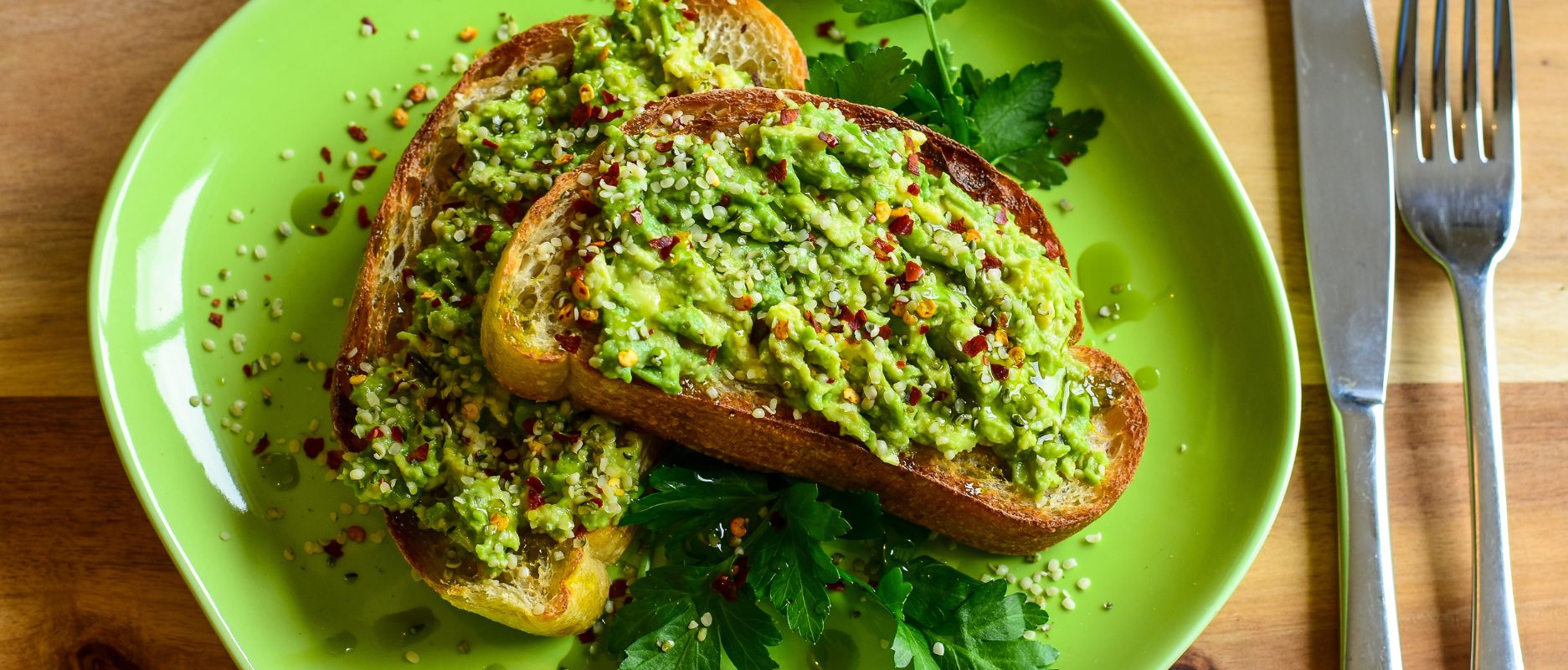
And if you’re still not sure what to do with this exceptionally nutritious oil, try this following recipe:
https://www.newhemisphere.co.nz/recipes/avocado-hemp-seed-smash/
Bon appétit!
REFERENCES:
Callaway, JC & Pate, DW 2009, ‘Hempseed Oil’ in RA Moreau & A Kamal-Eldin (eds), Gourmet and Health-Promoting Specialty Oils, American Oil Chemists Press, Urbana, Il, pp. 185-213.
Kapoor, R & Huang, YS 2006, ‘Gamma Linolenic Acid: An Antiinflammatory Omega-6 Fatty Acid’, Current Pharmaceutical Biotechnology, vol. 7, no. 6, pp.531-534.
Ministry of Health (MOH) 2015, Eating and Activity Guidelines for New Zealand Adults, brochure, MOH, Wellington, NZ. https://www.health.govt.nz/publication/eating-and-activity-guidelines-new-zealand-adults
Simopoulos, AP 2008, ‘The Importance of the Omega-6/Omega-3 Fatty Acid Ratio in Cardiovascular Disease and Other Chronic Diseases’, Experimental Biology and Medicine, vol. 233, pp. 674-688.